Advancing the Social Minimum
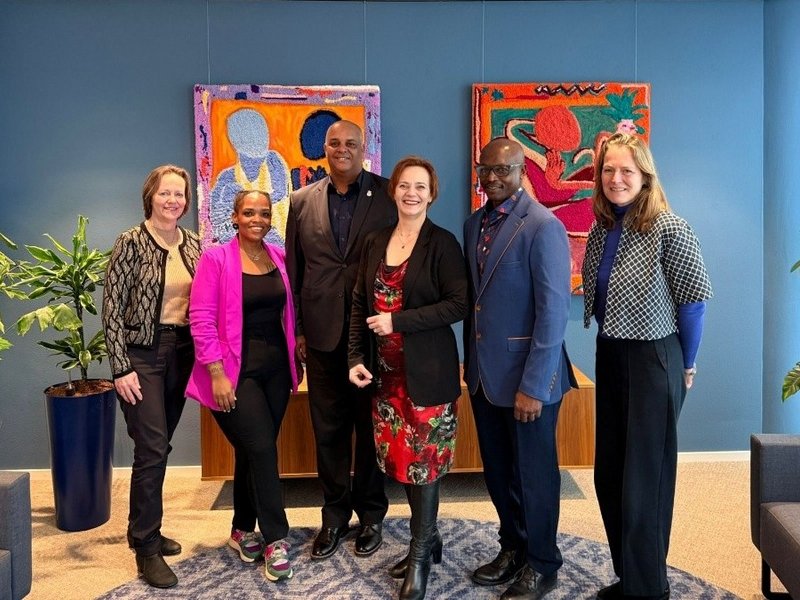
During the first week of meetings, a central topic has been gaining greater clarity on how these funds will be allocated and how they can best contribute to improving the well-being of residents on Saba.
An important milestone discussed was the planned introduction of unemployment benefits (WW) in the Caribbean Netherlands as of January 2027. Under this arrangement, individuals who lose their job through no fault of their own will receive income support from the Dutch government for a period of three months. At present, this provision will be financed without additional contributions from employers or employees, marking a meaningful step forward in strengthening the social safety net for the islands.
The delegation also sought the support of the Association of Netherlands Municipalities (VNG) in strengthening the dialogue with members of the Dutch Parliament in preparation for upcoming parliamentary debates regarding the social minimum and the future development of the Caribbean Netherlands
Affordability and Quality of Life on Saba
Affordability remains an important topic for Saba, with a focus on ensuring that life on the island remains both sustainable and healthy for its residents. Commissioner Heyliger has consistently emphasized the importance of addressing the high cost of living and identifying solutions that support the well-being and financial resilience of the community.
An example raised during the meetings is the high cost of travel to and from the island as affordable mobility is not only an economic issue, but also contributes to residents’ sense of freedom, connection, and mental well-being. Ticket prices reaching approximately $400 for short regional travel can place significant strain on families and limit opportunities for connection with the wider region.
The discussions during this first week of the visit were therefore aimed at helping policymakers better understand what affordability truly means for the community of Saba and what support is needed to maintain a healthy and thriving society.
Strengthening Partnerships for Youth, Education, and Mental Health
Meetings took place with several organizations and institutions, including:
- UNICEF Netherlands
Discussions focused on the Team Up program and the continued development of initiatives aligned with the Child Friendly Cities framework, aimed at strengthening opportunities and well-being for children and young people on Saba. - Ministry of Social Affairs and Employment (SZW)
The importance of participation in the skills and talent development program currently organized on St. Eustatius were addressed. Commissioner Heyliger is actively exploring possibilities to allocate local funding so that Saban residents can benefit from this initiative, which aims to strengthen labor participation and career opportunities. - Trimbos Institute
Conversations focused on the program “Growing Up in a Healthy Environment”, which supports schools and communities in addressing substance use among youth and promoting healthy lifestyles. - Mental Health Research Collaboration
The delegation also met with a Dutch researcher working with MHC on the prevalence of trauma among young people in small communities. Follow-up activities are planned, including community workshops scheduled for April and September, aimed at strengthening local capacity to address mental health needs.
Education and Opportunities for Students
Meetings with the Ministry of Education, Culture and Science (OCW) addressed several important topics for students and families on Saba.
- One key issue concerns graduates of the Saba Comprehensive School (SCS) who complete their education without a Dutch language diploma requirement due to the island’s educational context. The delegation requested that the Ministry provide clear and transparent communication to students and parents regarding the value and recognition of these diplomas in the United States, the Caribbean region, and the Netherlands, as well as how they differ from earlier diplomas without this exemption.
Additional discussions focused on: - Greater clarity regarding the lump sum funding structure for schools
- Future investments in school housing and facilities
- The importance of equalizing student financial support for those studying in the Caribbean region with the level of support currently available for students studying in the Netherlands.
- Ensuring equal opportunities for Saban students remains a key priority for the island government.
- Literary creators and cultural organizations from the Caribbean part of the Kingdom can apply for funding for their literary projects. The aim of the subsidy scheme is to ensure that the original stories, poems, and literary performances from and on the islands are widely read and heard. Literary creators: up to €25,000 / Organizations: up to €50,000, applying for the subsidy and reading more information on this initiative can be found on: Literatuur Caribe | Letterenfonds
Complementary Portfolios and a Shared Goal
The Public Entity also recognizes that questions sometimes arise within the community regarding the relationship between the portfolios of Commissioner Bruce Zagers and Commissioner Eviton Heyliger. These portfolios are designed to complement one another. Commissioner Zagers’ responsibilities primarily address physical infrastructure and economic development, while Commissioner Heyliger’s portfolio focuses on cost of living, social development, community well-being, and care. Together, these portfolios allow the island government to address both sides of the equation: strengthening economic opportunities while simultaneously addressing the affordability of daily life for residents. This integrated approach is particularly important as Saba works with a new Dutch cabinet and newly appointed state secretaries to further develop policies that benefit the Caribbean Netherlands.
Continuing the Dialogue
The government of Saba understands that these developments can raise questions within the community. Clear communication and open dialogue therefore remain essential. The Public Entity encourages residents, stakeholders, and partners to remain engaged, ask questions, and continue constructive dialogue as Saba works toward shared solutions. Transparent collaboration and mutual support will be essential in ensuring that decisions made today contribute to a stronger, more affordable, and resilient future for Saba and its people.