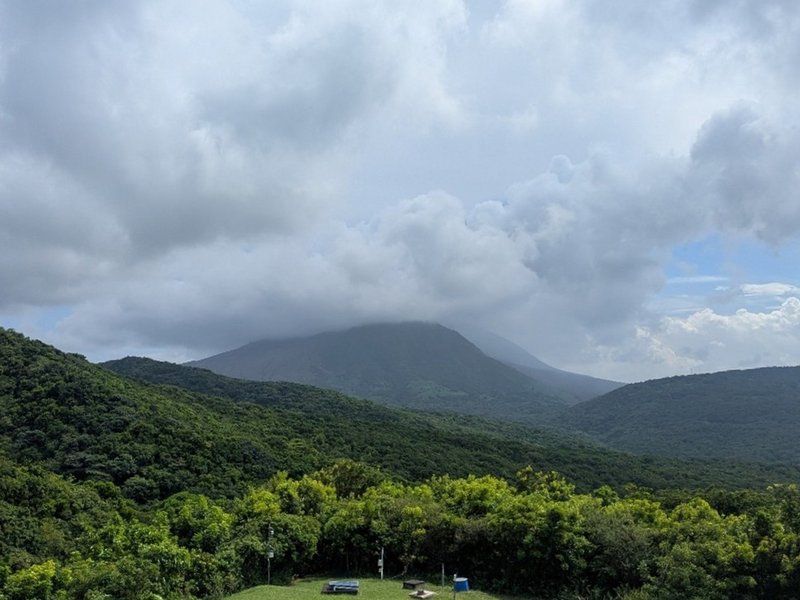
Saba is one of the islands located on the Lesser Antilles Volcanic Arc, which contains 21 volcanically active islands. Our island is home to Mount Scenery, a stratovolcano with multiple domes. While the volcano shows no signs of current unrest, it is officially classified as “active” but quiescent. This means it is still capable of erupting, although it is currently calm. Volcanoes are classified into three categories: active, dormant, and extinct. A volcano can be considered active if it has erupted within the last 10,000 years, if it has the potential to erupt in the future, or if it is currently erupting. Volcanoes are considered extinct when they have not erupted in the last 10,000 years and are highly unlikely to erupt again. While there is no threat of volcanic activity on Saba, it is important for us to prepare for the unlikely event of having to deal with increased activity.
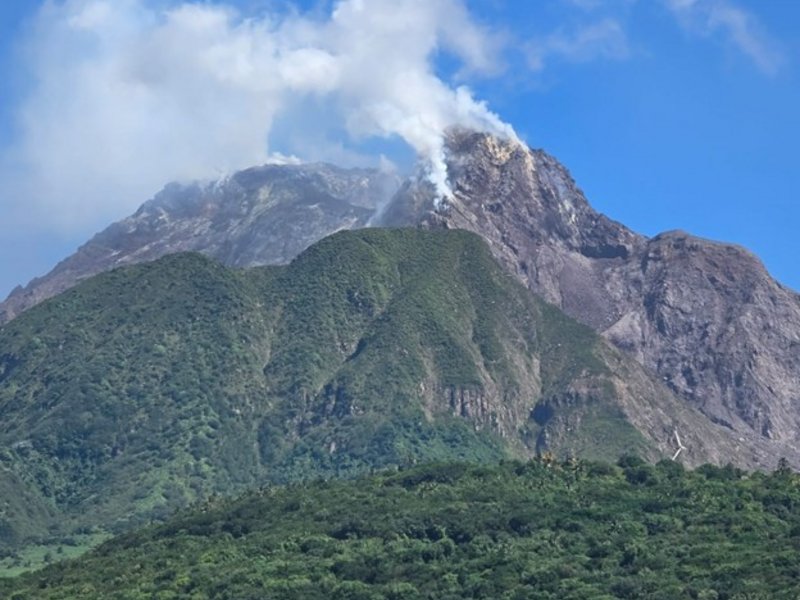
Montserrat is another island on the Lesser Antilles Volcanic Arc which has been dealing with an active volcano for the past 30 years. Learning from their experience and expertise is especially informative and valuable for us, as Saba and Montserrat share similar challenges in terms of resources, geography, and logistics. In 1995, the Soufrière Hills Volcano erupted after 400 years of dormancy, devastating two-thirds of the island and forcing more than half of its population to leave the island. Since then, Montserrat has endured eruptive activity over a span of 15 years, which have reshaped the island and its communities. Today, the people of Montserrat continue to live on the island, supported by their government and the Montserrat Volcano Observatory (MVO), which closely monitors volcanic activity. Beyond the volcano, Montserrat shines as a beautiful island, with kind people and deep history.
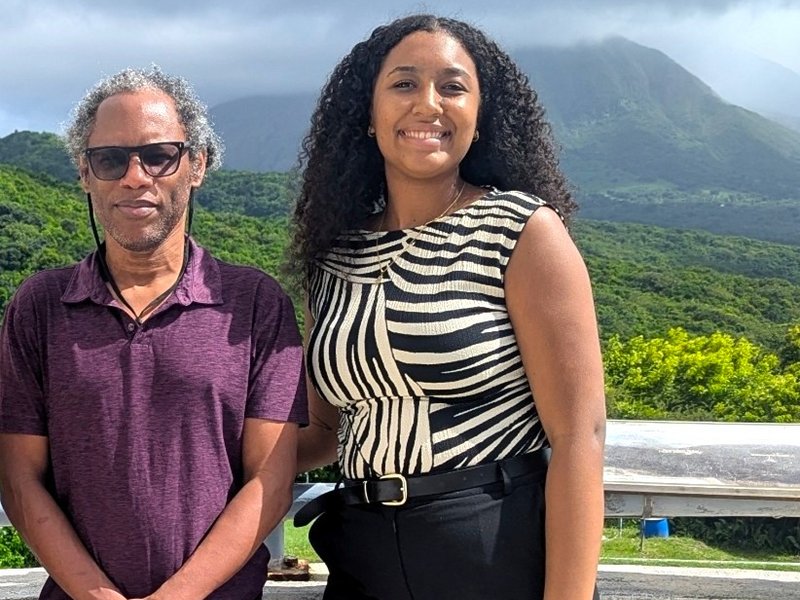
Jade’s visit allowed her to learn directly from Montserrat’s experts, including from Mr. Kelvin White, Operations and Logistics Officer at the Disaster Management Coordination Agency (DMCA), Dr. Graham Ryan, Director of the MVO, and Commissioner of Police, Mr. Mark Payne. Observing how Montserrat has addressed several challenges such as evacuation routes, housing, and public communication, provides meaningful guidance and insights for developing a plan specifically for Saba. In addition to physical and environmental effects, a deeper understanding was gained about the social and emotional impact that comes with having to deal with volcanic activity.
We extend our profound gratitude to the DMCA, MVO and all other agencies for their generosity in sharing their experiences, resources and advice for Saba’s plan.
If you want to learn more about volcanoes, view these useful links below:
- UWI Seismic Research Centre which has information about the volcanic islands in the Caribbean: Volcanoes | The UWI Seismic Research Centre. They also offer downloadable PDFs with information on each island, including specific information about Saba’s volcanic history: Volcanic Hazard Atlas of the Lesser Antilles | The UWI Seismic Research Centre
- the KNMI, which provides detailed information about Saba, St. Eustatius, and our monitoring network: Aviation, Weather and Seismology Bonaire, Saba and St. Eustatius-volcanoes.