

Engagement with Marine and Terrestrial Conservation Projects
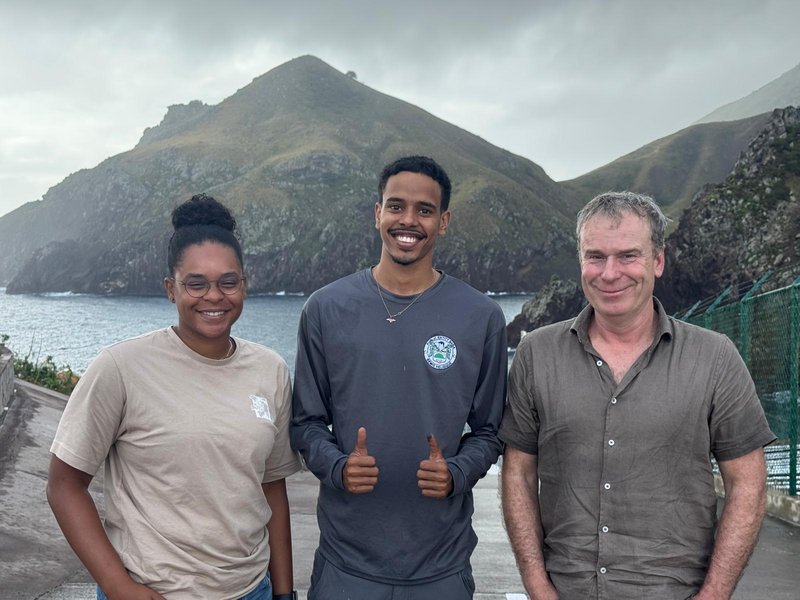
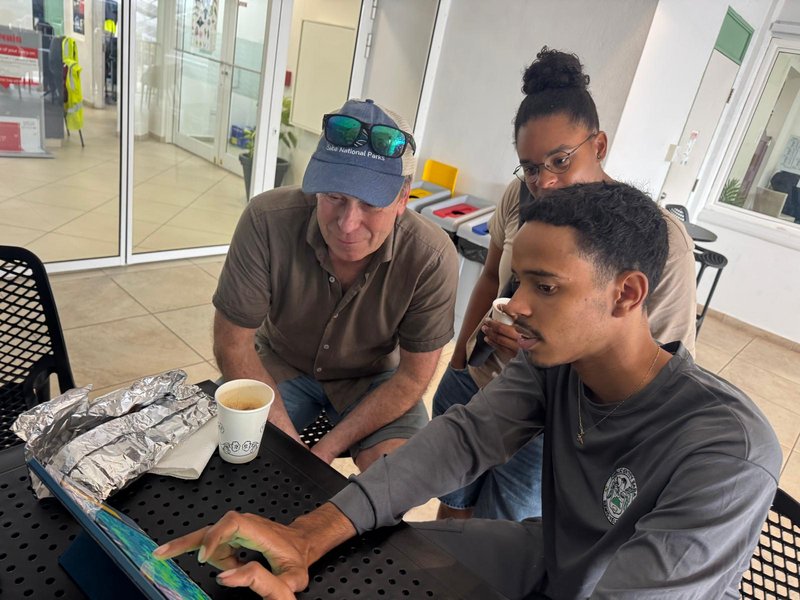
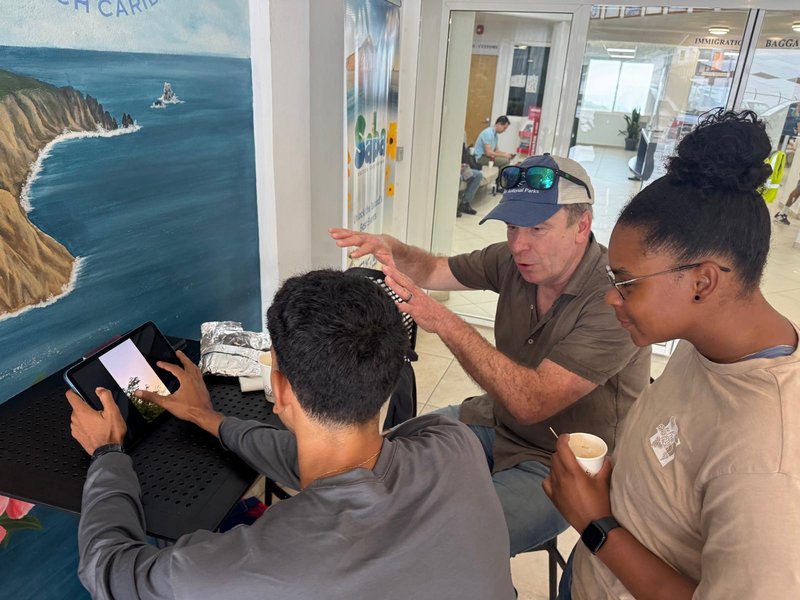
During the visit, the delegation engaged directly with several local initiatives that support biodiversity, environmental resilience, and sustainable food systems. This included an excursion to the Saba Bank with the Saba Conservation Foundation and the Saba Bank Management Unit, where Baited Remote Underwater Video (BRUV) units were deployed as part of ongoing shark population monitoring. The delegation also visited multiple Nature and Environment Policy Plan (NEPP) project sites across the island.
Strengthening Local Food Security Initiatives
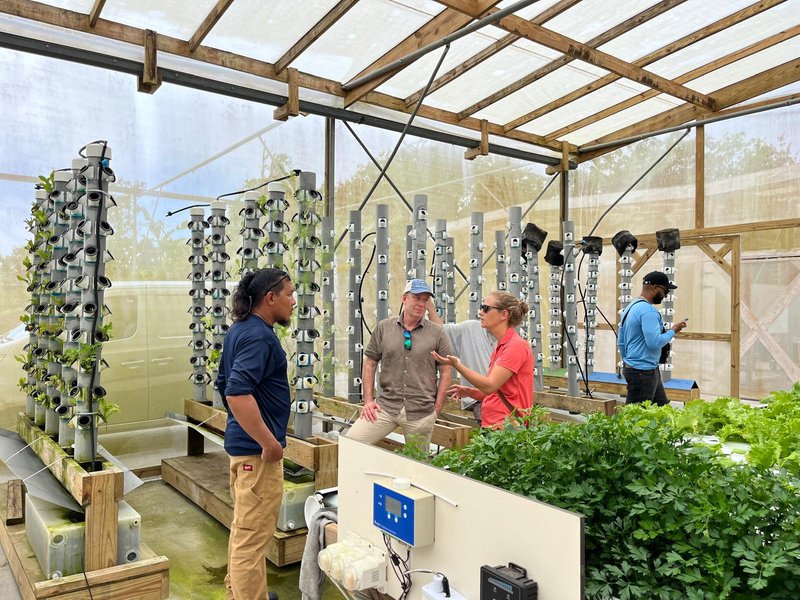
Local food security initiatives were featured in the program. Visits were made to the hydroponic farm and the butcher station, where locally raised pork and beef are processed for sale within the community. Attention was also given to the PES reforestation project, with updates shared on the outplanting of native trees and the distribution of fruit and breadfruit tree, both of which contribute to the long-term food security and ecosystem restoration.
Advancing Circular Waste Management
At the Hell’s Gate Gut site, attention was given to progress in the circular waste streams. The delegation reviewed developments related to material reuse and the introduction of the newly acquired concrete crushing machinery, which supports more sustainable waste management practices on the island.
Continued Progress in Invasive Species Control
The delegation also reflected positively on Saba’s ongoing efforts to control invasive species. These efforts were reinforced by a demonstration of the innovative thermal drone technology, which supports monitoring and targeted approaches.
National Climate and Nature Policy Discussions
In addition to site visits, meetings were held between LVVN representatives, Public Entity Saba policy staff, and the Bestuurcollege to discuss broader national-level nature and climate priorities. These discussions included the next steps for NEPP and recent developments at the Kingdom level concerning climate protection for the Caribbean Netherlands.
The conversations took place in the context of a recent court ruling related to climate obligations toward the Caribbean Netherlands, following legal action initiated by Greenpeace and residents of Bonaire. While the ruling itself falls outside the scope of local implementation, it underscores the importance of continued collaboration between local and national partners to strengthen climate resilience and protect vulnerable island communities.
The visit provided an opportunity to reflect on Saba’s ongoing progress, exchange knowledge, and reaffirm the shared commitment to safeguarding nature, food security, and climate resilience for the future.