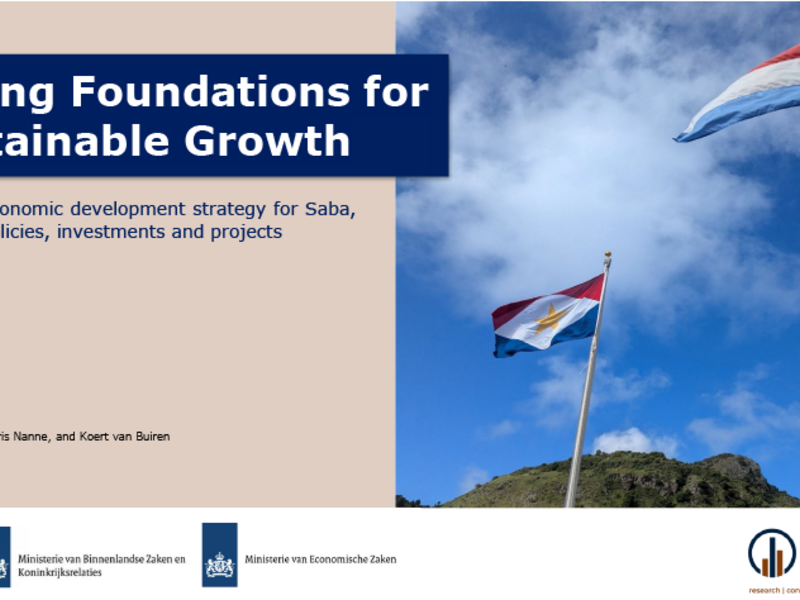
The plan outlines a number of priorities designed to strengthen Saba’s economic stability while supporting sustainable development and improving quality of life for residents. While the plan does not offer immediate solutions to complex issues, it establishes a clearer direction for coordinated action over the coming years.
Strengthening the Island’s Economic Foundations
Reliable infrastructure remains essential to economic stability. Road improvement works are ongoing to enhance safety and long-term durability. Developments at both the existing harbor and the new harbor site are intended to strengthen connectivity and support commercial activity and tourism.
Investments in social and educational infrastructure are also part of this broader foundation. The new school gym and technical center will expand opportunities for youth development and skills training, supporting future workforce capacity.
Environmental resilience is another important factor in long-term stability. Reforestation initiatives contribute to climate adaptation efforts while helping preserve the natural environment that is central to Saba’s identity and economic activity.
In the utilities sector, several structural improvements have already been implemented. All electricity cables have been placed underground, reducing storm-related risks. The development of a third solar park supports continued transition toward renewable energy sources. Island-wide Fiber installation enhances digital connectivity for residents and businesses, improving reliability and supporting modern economic activity.
Housing and Community Stability
Housing remains one of the island’s most pressing challenges. The Master Plan reinforces the importance of sustained, coordinated action in this area. The new Saba Cares facility is nearing completion and is expected to open this year, strengthening community infrastructure.
Looking ahead, plans are being developed to construct 50 homes by 2030. A Housing Vision Plan is scheduled for 2026 to provide strategic guidance for future residential development. The establishment of a rental committee further supports oversight and transparency within the housing market.
Ensuring that residents are able to live and work on Saba is fundamental to long-term economic stability.
Sustainable Economic Development
The plan also emphasizes the importance of maintaining a balanced approach to tourism. Saba’s participation in the Green Destinations program reflects a commitment to sustainable ecotourism that supports local businesses while protecting natural resources.
The focus remains on steady, manageable development that aligns with the island’s scale and character.
Next Steps
The Executive Council has approved the Economic Plan and, in collaboration with the relevant ministries, will work diligently to ensure that its stated objectives are achieved. It should be noted that the success of this plan is dependent on securing ongoing funding.
“Economic resilience is built over time. The Master Plan serves as a structured roadmap to guide decision-making, strengthen coordination, and support long-term stability. Implementation will require careful planning, financial discipline, and sustained cooperation across departments and stakeholders” states Commissioner Bruce Zagers.
The document provides direction, but progress will depend on steady execution in the years ahead. Saba’s approach remains deliberate and forward-looking: strengthening infrastructure, securing utilities, expanding housing, and supporting sustainable economic activity to ensure a stable future for residents and businesses.
To view the report, visit Economics Master Plan.